New to eco homes? Solar, batteries, heat pumps and more, explained simply
By Rob, CompareEcoQuotes · Costs and grants checked 22/10/2026 · No affiliate links: we don't sell any of these products or earn commission on them
If you've started looking into solar panels, heat pumps or batteries, you've probably been hit with jargon, big promises and sales calls straight away. This guide is the plain-English starting point we wish we'd had.
For each upgrade, we'll cover what it is, how it works, who it suits and roughly what it costs, so you can work out which ones are worth looking into for your home.
Start here: what order to think about things in
There's no single right answer for every home, but this order usually makes sense:
- Stop heat escaping first (insulation). It's the cheapest upgrade and usually pays for itself fastest.
- Make your own electricity (solar panels). Cuts your electricity bill for 25 years or more.
- Store it and buy it cheaper (a battery and a cheaper night-time tariff). Lets you use more of your own solar power and buy the rest when it's cheap.
- Change how you heat your home (heat pump). Best done once your home is well insulated, often when your boiler needs replacing anyway.
- Charge an electric car at home (EV charger). Only if you have, or are getting, an electric car.
You don't need to do all of these, and you don't need to do them all at once.
At a glance
| Upgrade | Typical cost, fitted | Help available (England) |
|---|---|---|
| Loft insulation (topping up, semi-detached) | about £650–£1,200 | Free for some low-income households |
| Solar panels (about 10 panels) | £6,500–£8,500 | No VAT until 31/03/2027 |
| Plug-in solar kit | £450–£600 (fit it yourself) | None |
| Home battery | £3,500–£7,000 extra | No VAT until 31/03/2027 |
| Air source heat pump | £7,000–£13,000, or roughly £0–£5,500 after the grant | £7,500 grant (Boiler Upgrade Scheme) |
| EV charger | £800–£1,200 | Up to £500 for renters and flat owners only |
Typical 2026 prices. Your quote will depend on your home.
Insulation: stop the heat escaping
What it is: material that keeps heat inside your home, usually in the loft or in the gap inside your outside walls (the "cavity").
How it works: like a good winter coat. Heat naturally escapes through the roof and walls; insulation slows that down, so your heating has to work less hard.
Who it suits: almost everyone. If your loft insulation is thin, or your walls have a cavity that's never been filled, start here.
Rough cost: about £650–£1,200 to top up loft insulation in a semi-detached home, saving around £200–£340 a year. Filling cavity walls costs more, about £1,800–£2,700.
Help available: free insulation is available for some lower-income households through energy company and council schemes. Ask your local council.
Solar panels: make your own electricity
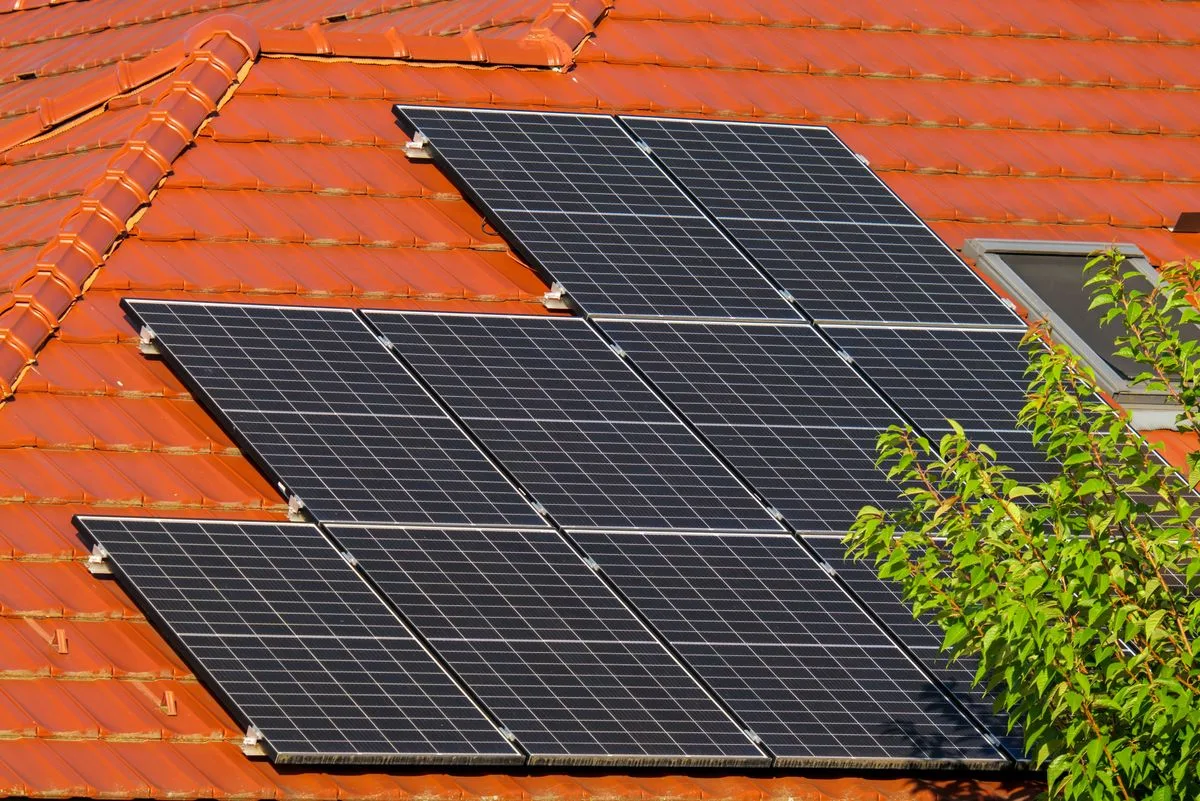
What it is: panels on your roof that turn daylight into electricity.
How it works:
- The panels make electricity whenever it's light. It doesn't need to be sunny, though they make more when it is.
- A box called an inverter, usually in the loft or garage, converts it into the kind of electricity your home uses.
- Your home uses the solar power first. Anything you don't use goes back to the grid, and your energy supplier pays you for it (we call this the buy-back rate).
- At night, or when the panels aren't making enough, you buy electricity from the grid as normal.
Who it suits: homeowners with a roof facing roughly south, east or west, with little shade.
Rough cost: £6,500–£8,500 for a typical system of about 10 panels. In the North West it typically takes 13–21 years for the savings to cover the cost, depending on which way your roof faces and what you're paid for spare electricity. Panels usually last 25 years or more.
Read more: Is solar worth it in Manchester? and Solar export tariffs explained.
Plug-in solar: a small kit you fit yourself
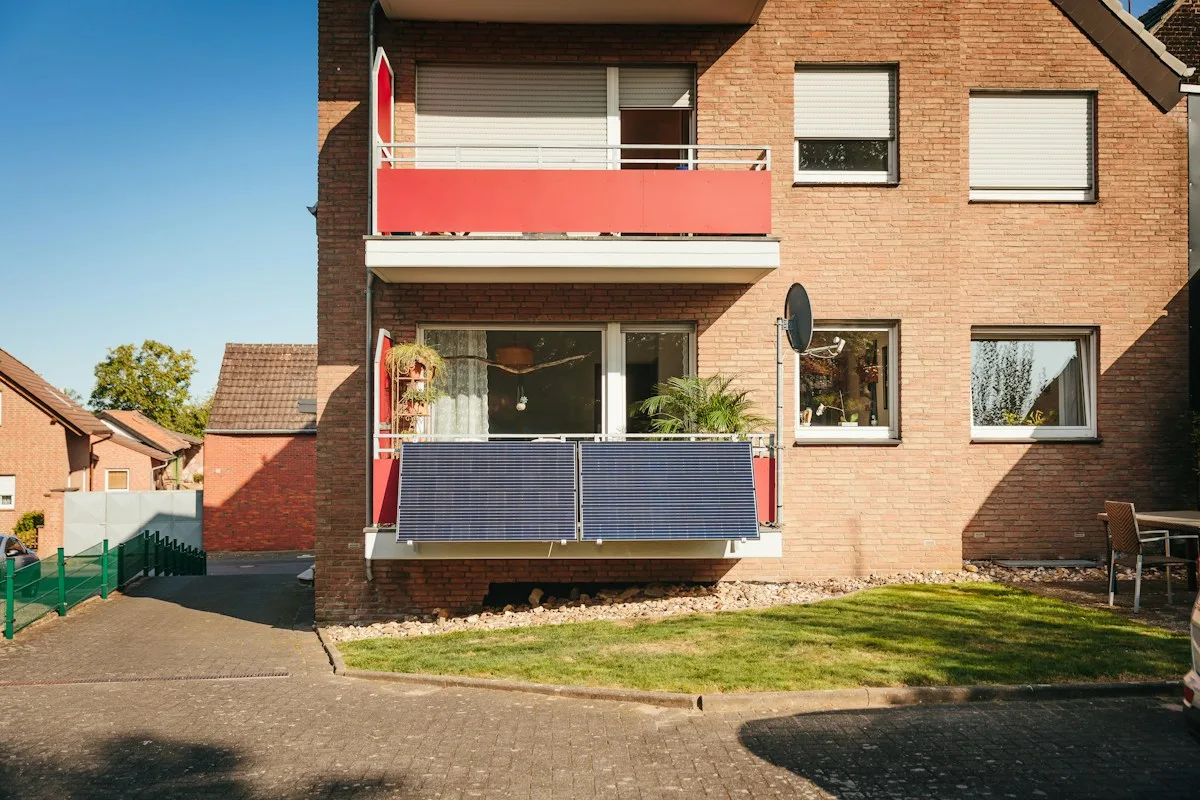
What it is: one or two panels you fix to a balcony, wall or garden and plug into an outdoor socket. It's been allowed in the UK since 27/08/2026.
How it works: the kit makes electricity during the day, which goes straight into your home's wiring and powers things like your fridge, freezer and broadband router. It's limited to 800W, about a fifth of a typical roof system.
Who it suits: renters (with written permission), people in flats, and anyone who wants to start small.
Rough cost: £450–£600. It typically pays for itself in 4–5 years, saving around £114 a year. It can't currently earn money for spare electricity under the standard scheme, so it's best for homes that use power during the day.
Read more: Plug-in solar vs rooftop solar in the North West.
Home batteries: store electricity for later
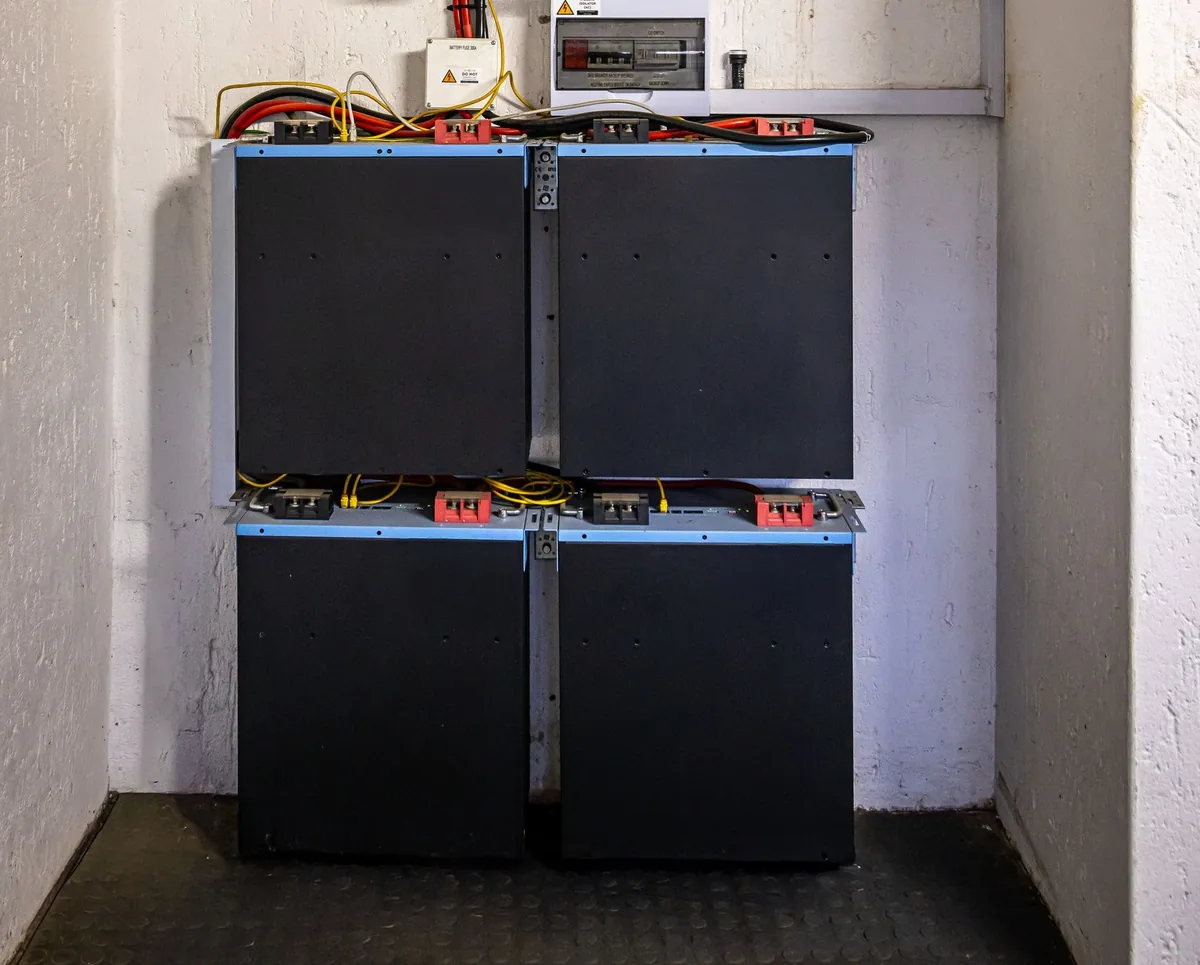
What it is: a box, usually about the size of a small fridge or a suitcase, fixed to a wall inside or outside your home.
How it works: it stores electricity so you can use it later. Most battery owners use it in two ways:
- Store spare solar power from the daytime and use it in the evening, instead of selling it back for very little.
- Fill up overnight when electricity is cheap (on a special tariff, see below) and use it during the day when it's expensive. This works even without solar panels.
Who it suits: homes that use a lot of electricity in the evening, people with solar panels, and anyone willing to switch to a cheaper night-time tariff.
Rough cost: £3,500–£7,000 on top of solar panels. In our North West figures, solar plus a battery on a cheap night-time tariff saves about £820 a year. Without that tariff, a battery takes much longer to pay for itself.
Worth knowing: adding a battery often means your installer has to get permission from the local electricity network before switching it on, which can take 4–8 weeks. See Why am I not being paid for my solar yet?.
Heat pumps: a different way to heat your home
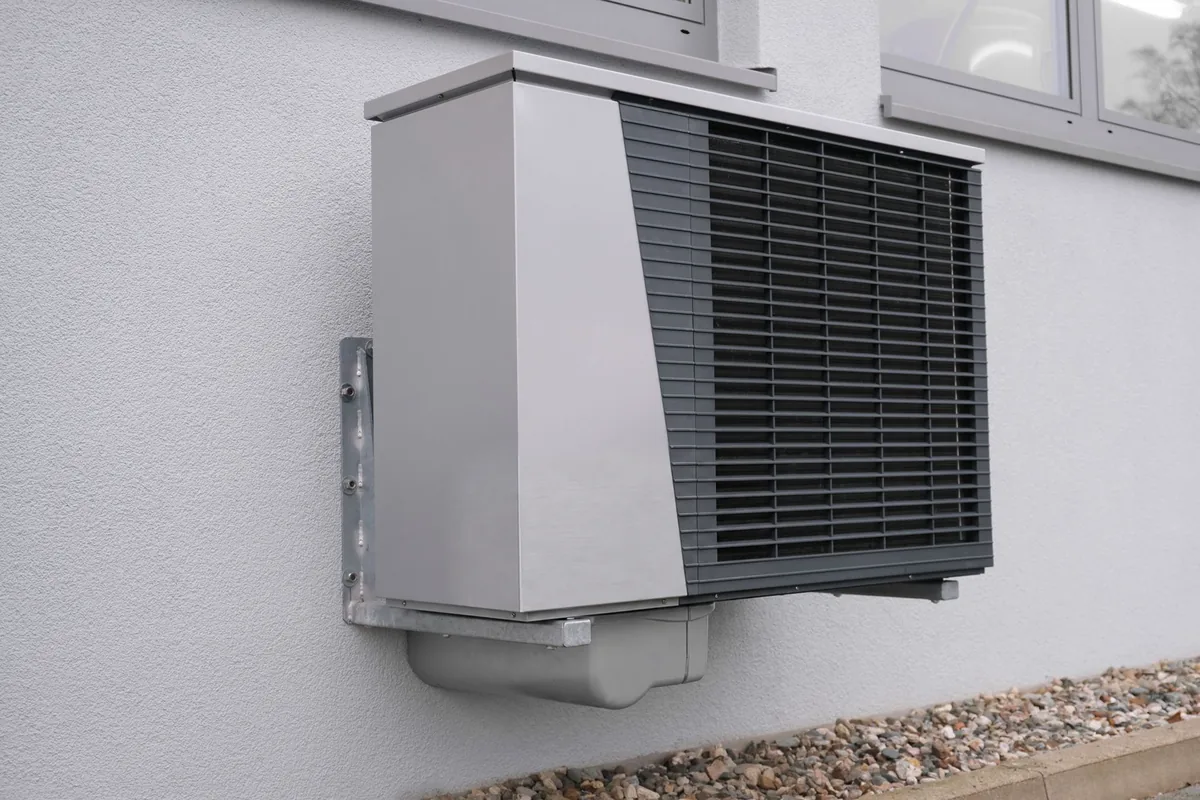
What it is: a box that sits outside your home, roughly the size of a large suitcase or small washing machine, which replaces your gas boiler. The most common type is an air source heat pump.
How it works: it works like a fridge in reverse. A fridge takes heat out of the inside and releases it at the back. A heat pump takes heat from the outside air, even on cold days, and moves it into your radiators and hot water tank. It runs on electricity, but for every unit of electricity it uses, a good system gives you about three units of heat.
Who it suits: homes that are reasonably well insulated, especially when the boiler is due for replacement anyway. You'll usually need space outside for the unit and space inside for a hot water cylinder. Some homes need a few bigger radiators.
Rough cost: £7,000–£13,000 fitted. The government's Boiler Upgrade Scheme gives £7,500 off when you replace a gas, oil or electric boiler, so many people pay roughly £0–£5,500. Your installer applies for the grant for you.
An honest point on running costs: electricity costs about four times as much per unit as gas. Because a heat pump makes about three units of heat per unit of electricity, running costs are often similar to gas, and sometimes a little higher. They come down with good insulation, a well-designed system, a heat pump tariff, or solar panels. Be wary of anyone promising big savings on heating bills alone.
EV chargers: charge your electric car at home
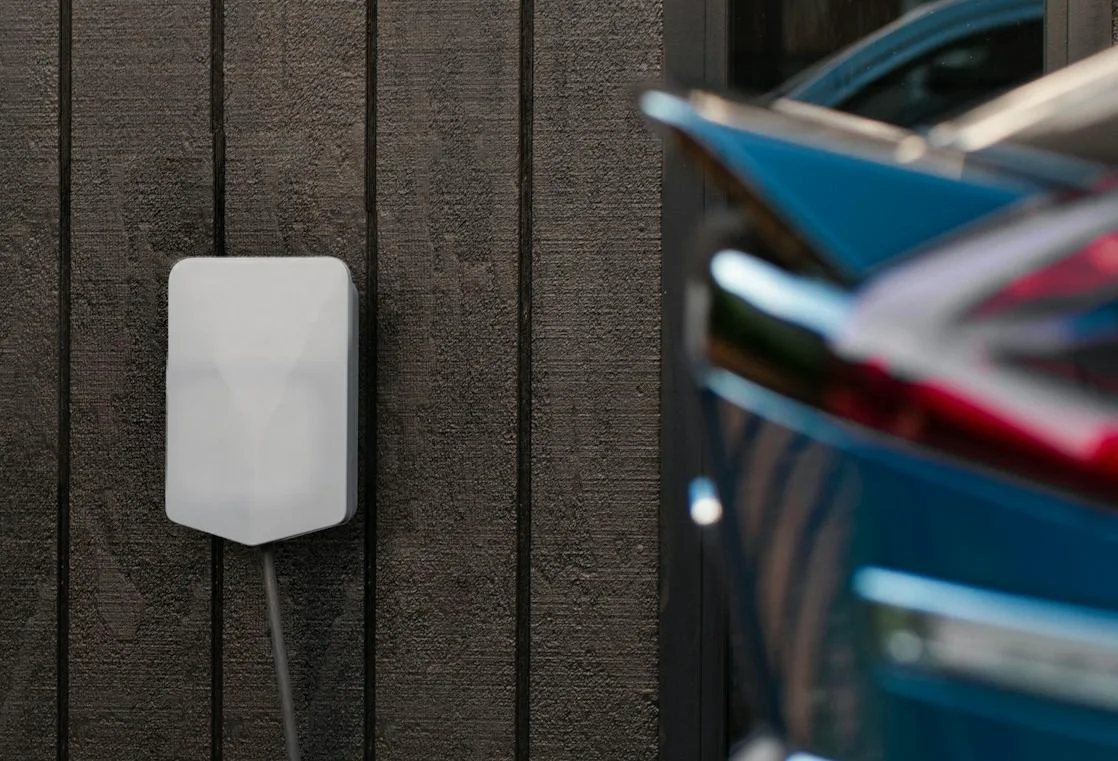
What it is: a charging point fixed to the outside wall of your home or garage, near where you park.
How it works: it charges your car about three times faster than a normal plug, and safely. Most can be set to charge automatically overnight, when electricity is cheapest, and some can use spare solar power.
Who it suits: anyone with an electric car and off-street parking, such as a driveway or garage.
Rough cost: £800–£1,200 fitted. There's a grant of up to £500 (75% of the cost) for renters and people who own a flat, open until 31/03/2027. Homeowners in houses can't get it.
Smart and overnight tariffs: pay less for the same electricity
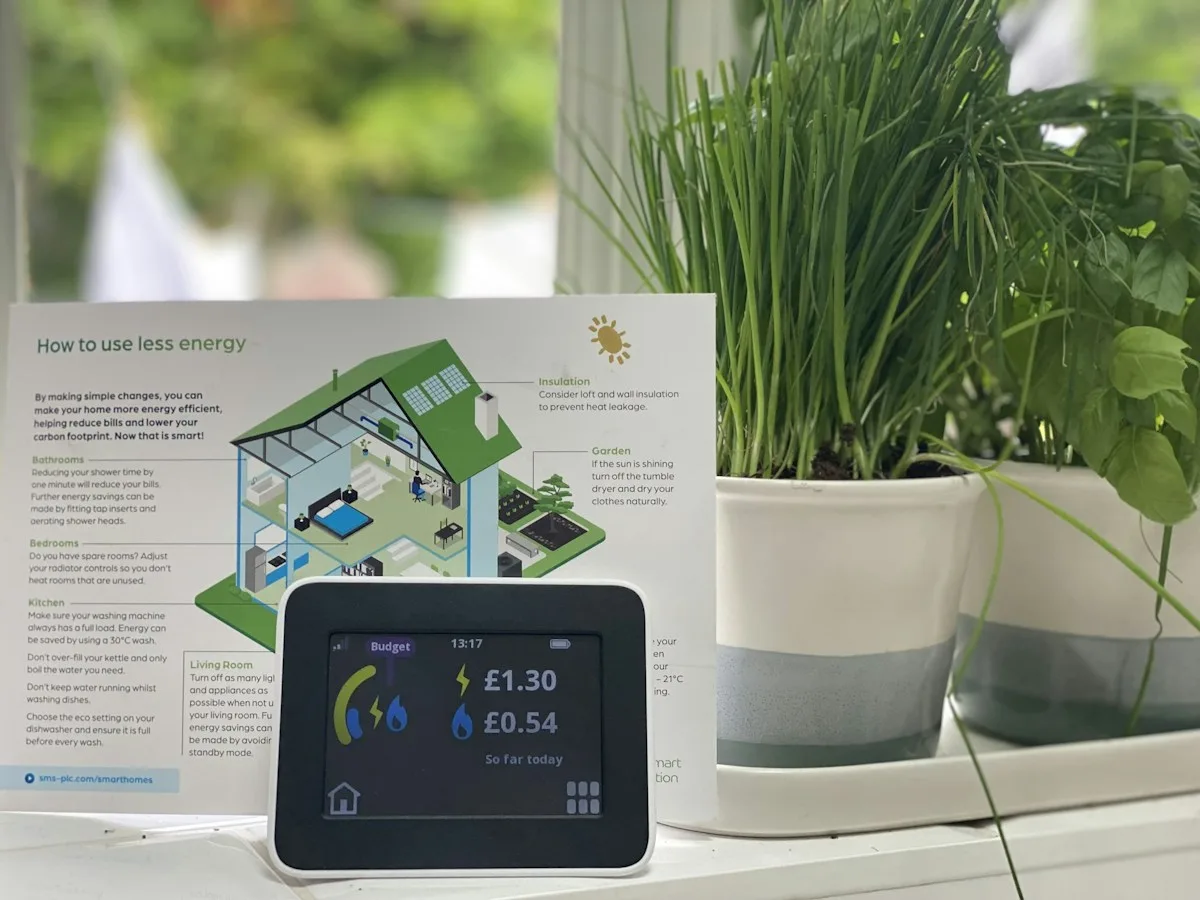
What it is: an energy tariff where the price changes at different times of day, usually with much cheaper electricity overnight.
How it works: on some tariffs, overnight electricity costs around 8p per unit, compared with about 26p on a standard tariff. If you can move your use to the cheap hours, by charging a car, running a battery, or setting the washing machine on a timer, you pay less.
Who it suits: homes with a battery, an electric car or a heat pump. Most of these tariffs need a smart meter, and some need a compatible charger or battery.
Cost: nothing to switch, but compare the daytime price too, as it can be higher than standard.
Which upgrades might suit me?
| Your situation | Worth looking at first |
|---|---|
| I rent | Plug-in solar (with permission), an overnight tariff, and the EV charger grant if you have an electric car |
| I own a flat | Plug-in solar (with permission), EV charger grant |
| I own a house with a gas boiler that's working fine | Insulation, then solar panels, maybe a battery |
| My boiler needs replacing soon | Insulation, then get a heat pump quote alongside a boiler quote (with the £7,500 grant) |
| I have, or am getting, an electric car | Overnight tariff and an EV charger, then solar and a battery |
| I'm on a low income | Ask your local council about free insulation, heating and solar schemes |
Common traps to avoid
- Doorstep and phone sales. Good installers rarely cold-call. Never sign on the day.
- Savings that sound too good. If solar "pays for itself in 6 years" in the North West, ask to see how they worked it out.
- "Free" solar or batteries. Read the small print. Some deals lease your roof or tie you into a contract.
- Not checking the installer. Make sure they're MCS-certified (you need this for grants and to be paid for spare electricity) and offer an insurance-backed guarantee, so your warranty still holds if the company goes out of business.
- Only getting one quote. Prices for the same system vary a lot. Get at least two or three.
- Paying a big deposit. Ask how it's protected before you pay.
Grants and help: what's available now (England)
| Scheme | What you get | Status (checked 22/10/2026) |
|---|---|---|
| Boiler Upgrade Scheme | £7,500 off a heat pump | Open until 2030. Your installer applies. |
| 0% VAT on solar and batteries | No VAT on the cost | Until 31/03/2027, then 5% |
| EV chargepoint grant | Up to £500 | Renters and flat owners only. Open until 31/03/2027. |
| Warm Homes Plan, low-income support | Free or heavily funded insulation, heating, solar and batteries | Being rolled out by councils during 2026. Ask your council. |
| ECO4 | Free insulation and heating for some low-income households | Very limited. Ends 31/12/2026. |
| Warm Homes Loan Scheme | Low-interest loans for solar, batteries and heat pumps | Announced but not launched yet. No date confirmed. |
Grants change often. Always check the current rules on gov.uk or with your installer before you rely on one.
Get your own numbers, with no sales calls
Tell us your postcode and roughly what you pay for energy, and we'll email you an independent solar estimate within 24 hours, for roof panels and plug-in solar, with every assumption shown. No phone number needed. If you'd like quotes, you choose up to 3 vetted local installers, all MCS-certified, and only the ones you approve hear from you.
Jargon explained
- Unit / kWh (kilowatt-hour)
- the unit of electricity shown on your bill.
- kW (kilowatt)
- the size of a system. 4kW of solar is roughly 10 panels.
- Inverter
- the box that converts electricity from your panels or battery so your home can use it.
- Export / buy-back rate
- spare electricity you send back to the grid, and what your supplier pays you for it.
- Payback
- how long it takes for your savings to cover what you paid.
- Overnight or time-of-use tariff
- a tariff where electricity is cheaper at certain times, usually overnight.
- Smart meter
- a meter that sends readings to your supplier automatically, needed for most smart tariffs and to be paid for spare electricity.
- Air source heat pump
- a heating system that takes heat from the outside air and moves it into your home.
- COP (coefficient of performance)
- how much heat a heat pump makes for each unit of electricity. A COP of 3 means three units of heat for one unit of electricity.
- Cavity wall
- an outside wall made of two layers with a gap between them, which can be filled with insulation.
- MCS-certified
- fitted by an installer in the industry's approved-installer scheme. Needed for most grants and to be paid for spare electricity.
- Insurance-backed guarantee
- protects your warranty if the installer goes out of business.
- Boiler Upgrade Scheme
- the government grant of £7,500 towards a heat pump.
This guide is general information, not financial advice. Costs are typical 2026 figures and grants can change at any time, so check current details before you decide. CompareEcoQuotes is a trading name of Mafel Limited, registered in Scotland no. SC753469. We take no payments from manufacturers or energy suppliers and use no affiliate links. Installers pay us for introductions, never you.